In the “Why I Chose OT” series, we highlight the motivations and career paths of OTs and OTAs in the field.
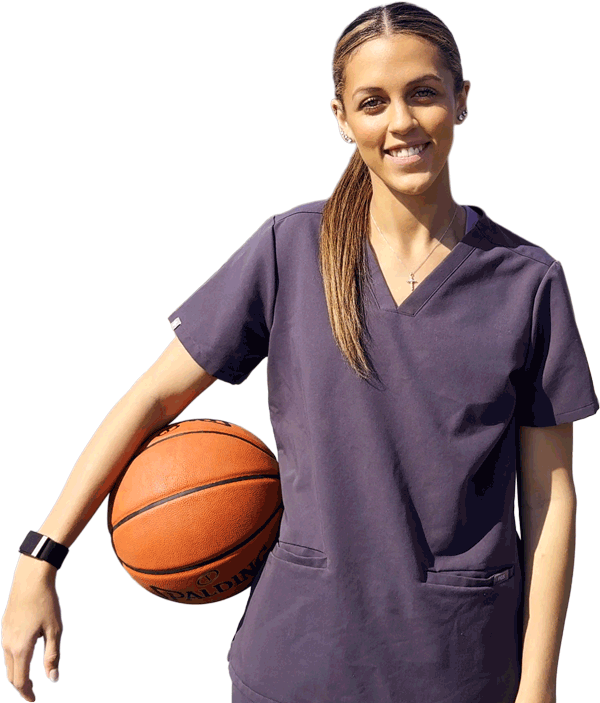
You & OT…
What inspired you to become an occupational therapist?
I grew up wanting to do something in the medical field and was on a pre-med track going into college and then was considering all the different options/fields out there. I thought about [physical therapy] just because of my own experience with it during my basketball career but ultimately wanted to do something that treats patients holistically and I found OT. My little brother saw an OT for sensory challenges as a little kid and I remember going to those with him and was very intrigued by the sensory gym and saw how much positive impact it made on him. And later, once I decided on OT, my grandmother always would tell me how great the OTs were that worked with her while she was in the hospital, not only working with her on functional mobility after her bone marrow transplant, but also with the mental health aspect of it all as well.
What is the most rewarding thing about a career in OT?
Helping people do the things that make their life feel like their life again. As OTs, we get to see the change that really matters to our patients/clients and sometimes that can be something big like returning home after a stroke or small things like buttoning a shirt, being able to eat independently, writing their name, tolerating being in a classroom or overstimulating environment – things that can be overlooked or taken for granted. Additionally, we get to build real relationships and spend a lot of time with the people we treat. I love that OT is relational by nature – we listen, collaborate, adapt, and problem solve with people, not just for them.
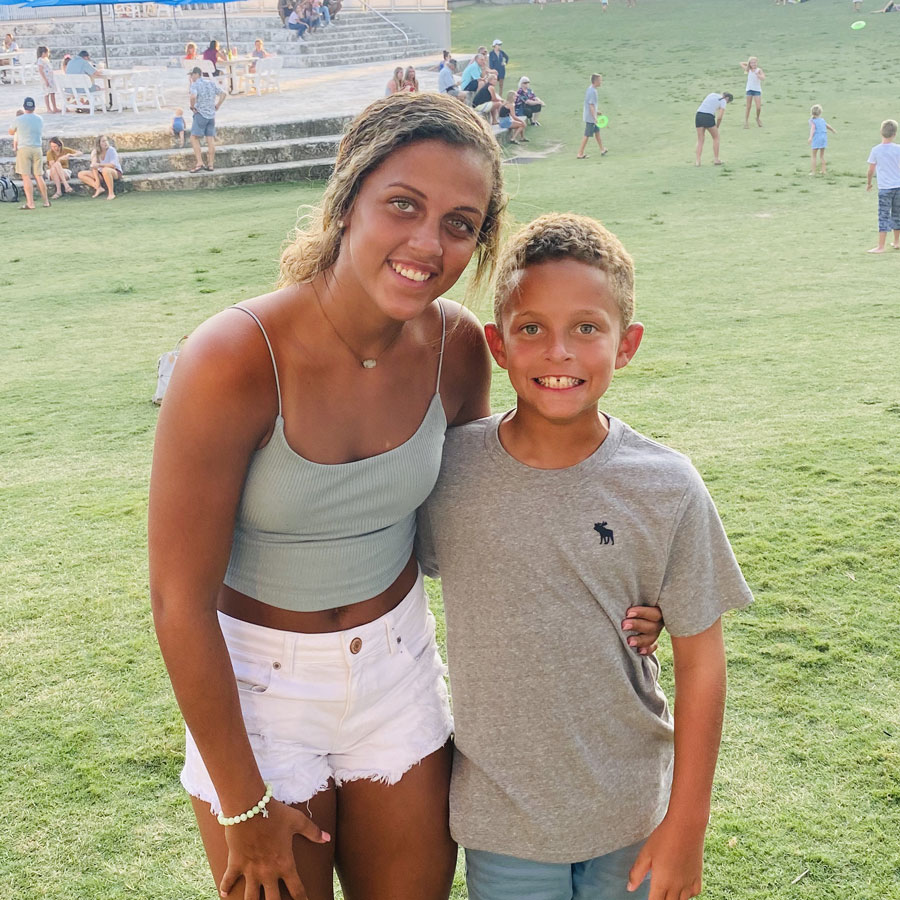
Gabbie Marshall,
University of North Carolina
MSOT ’26, &
Iowa Women’s Basketball Alum
(pictured with her younger brother)
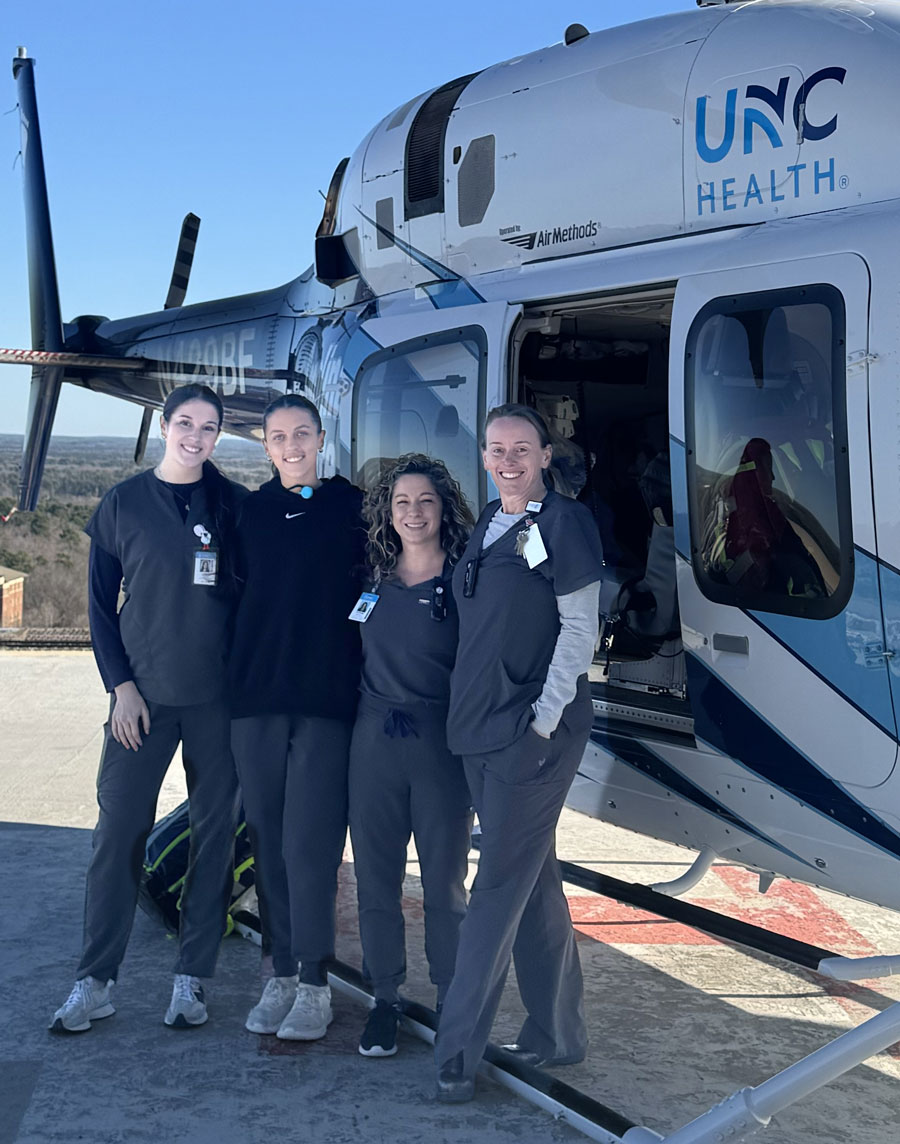
Gabbie and her colleagues
Gabbie and her colleagues
Is there a certain practice area of OT that you are focusing on and why?
While I am still in school, I am keeping an open mind. I have had experience so far in multiple settings including: Inpatient psych, NICU, adult acute (ICU), and a few days shadowing in the PICU. I have always wanted to work with the pediatric population, especially in the hospital setting, and that is where I see myself working in the future, but I really enjoyed my experience working with adults as well.
What is your favorite “occupation” and why?
My favorite occupation for 20 years has obviously been basketball. I was dribbling a ball and shooting on a mini hoop since I was 3 years old and started playing against people at age 5, so it took up most of my time and was something I absolutely loved. But since my career has been over, I have been loving pickleball. I get out and play with some of my OT classmates whenever I have time and it’s been so fun learning to play another sport, recreationally of course.
Memorable Experiences
What was your most memorable experience as a member of the Iowa Women’s Basketball Team?
I would have to say both Final Four runs or our game against Maryland in the Big Ten Tourney. It was so fun getting to be a part of history and doing something Iowa WBB has never done before, and we got to experience so many fun events during the week leading up to the Final Four and National Championship games. And then the Maryland game was so memorable because I had been in the longest shooting slump of my life up to that point and then hit 7 threes and helped my team win that game, which led to us winning the Big Ten Tourney. I learned a lot about myself during the slump I was in and to lean on the people around me, so it was so fun seeing them be so happy for me and getting to celebrate with them after.
How did your time on the team influence your choice to be an OT?
During my time playing basketball at Iowa, I experienced my own injuries and watched some of my closest teammates navigate injuries as well. Seeing how these injuries affected them–not only physically, but also mentally and emotionally–had a lasting impact on me. When basketball, an occupation they loved and structured their daily lives around, was suddenly taken away or limited, I saw firsthand how deeply it disrupted their identity, routines, and sense of purpose. I did what I could to support them as a teammate and friend, but I also realized how powerful it would be to have the skills to help people through recovery in a more intentional, holistic way. That experience helped me understand the importance of addressing both physical function and mental well-being, and how meaningful it is to help someone adapt, rebuild confidence, and re-engage in what matters most to them. I knew that with this foundation and lived understanding, pursuing a career in OT would allow me to better support people through injury, illness, trauma, or life transitions using a holistic approach.
What has been your most memorable experience so far in OT school?
I would say my Clinical Rotation in adult acute care in the ICU at UNC. Being in the ICU allowed me to see the impact of OT at a very critical point in a patient’s recovery, often when they were at their most vulnerable. I was shocked by how meaningful even small interventions could be–helping a patient sit at the edge of the bed, engage in a basic self-care task, or regain a sense of orientation in an overwhelming and stressful environment. This experience challenged me to think quickly, collaborate closely with the interprofessional team, and truly prioritize what mattered most for each patient in that moment. As well as reinforcing the importance of early mobilization, functional participation, and patient-centered care. By the end of it, I was taking over a whole caseload of patients and it was very rewarding seeing how far I had come just with comfortability in a patient’s room, managing the lines patient are connecting to, safe mobilization and treatment planning, and using my clinical reasoning to guide the session by the end of 12 weeks.

Looking Ahead
What are you most looking forward to in your OT career?
I am looking forward to working closely with individuals across different stages of life and recovery and helping them return to the activities that give their lives meaning. I also look forward to growing as a clinician–learning from patients/clients, collaborating in a team, and adapting interventions to meet people where they are. Ultimately, I am excited to have a career where I can combine problem-solving, empathy, and creativity to help people regain confidence and participate fully in their everyday lives in whatever way that looks like for them.
What advice would you give any students considering a career in OT?
I would tell them to spend some time really understanding and learning what OT looks like in practice across different settings, and honestly create an elevator pitch on what OT is because it is shocking how many people we work with do not know. I would say try to observe as many settings as you can, ask questions (no question is a bad question), and talk with other OTs about their experience and what their day-to-day looks like. Lastly, just stay open-minded. Many of my classmates (just like me) entered OT school with one setting in mind and discovered new passions along the way or other settings that interested us, so trust the process and grow with it. Most importantly, know that you will not know everything even after OT school, and that it is okay to learn from your colleagues and that you will learn to be a better clinician with experience and time. :)
Occupational therapy practitioners are needed everywhere!
Want to find out how to join this amazing profession?