
Where Do Occupational Therapy Practitioners Work?
Occupational therapy practitioners, or OTPs, work in a variety of settings, making a tremendous impact on people’s lives. One of the best things about occupational therapy is OTPs have the flexibility to work in a variety of settings and help people meet their goals! Let’s dive into some of the places these everyday heroes work.


Hospitals
OTPs assist patients recovering from surgeries, injuries, illnesses, or chronic conditions. From working with premature babies in the NICU to patients with advanced or serious illnesses and everything in between, OTPs collaborate with healthcare teams to ensure holistic care and a smoother transition for patients from hospital to home or other care settings.
Cardiac Rehabilitation
OTPs help patients regain independence and improve their daily functioning following a cardiac event, such as a heart attack, or surgery through personalized education, exercise training, and lifestyle adjustments. OTPs focus on enhancing patients’ cardiovascular health and well-being by teaching energy conservation techniques and promoting activities tailored to their individual needs and goals.
Outpatient Clinics
OTPs assess and treat individuals with a wide range of physical, cognitive, or mental health conditions, focusing on improving functional abilities and facilitating independence in activities of daily living through tailored intervention plans and ongoing support. They may also provide education, adaptive equipment recommendations, and community resources to promote long-term well-being.
Rehabilitation Centers
OTPs play a crucial role in helping individuals recover after injuries, surgeries, or illnesses to regain independence and abilities necessary for daily living, work, and community participation.
Primary Care
Working with a patient’s primary care physician, OTPs address behaviors, roles, lifestyle routines, physical dysfunction and activity levels that could be barriers to patients effectively managing their medical conditions.
Nursing Homes
OTPs focus on enhancing independence and quality of life for residents within the long-term care setting.
Skilled Nursing Facilities
OTPs assist residents in short- or long-term care facilities in maintaining or improving their independence and quality of life.
Assisted Living Facilities
OTPs focus on optimizing residents’ independence and quality of life in centers where seniors live independently but may need help with certain everyday activities.

Private Practices
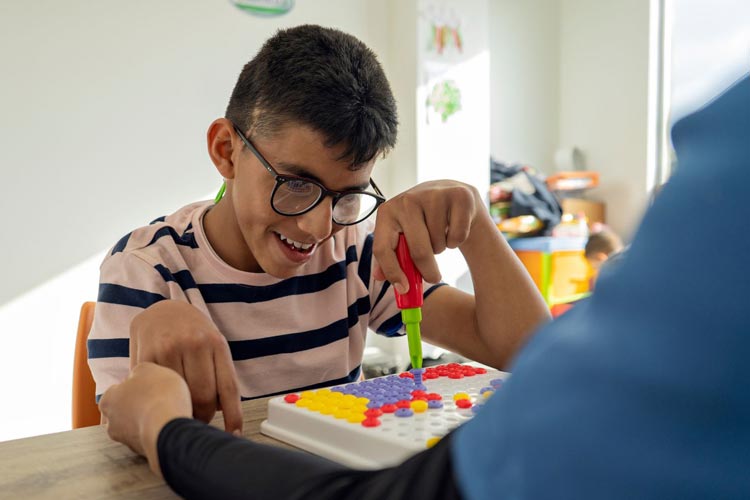
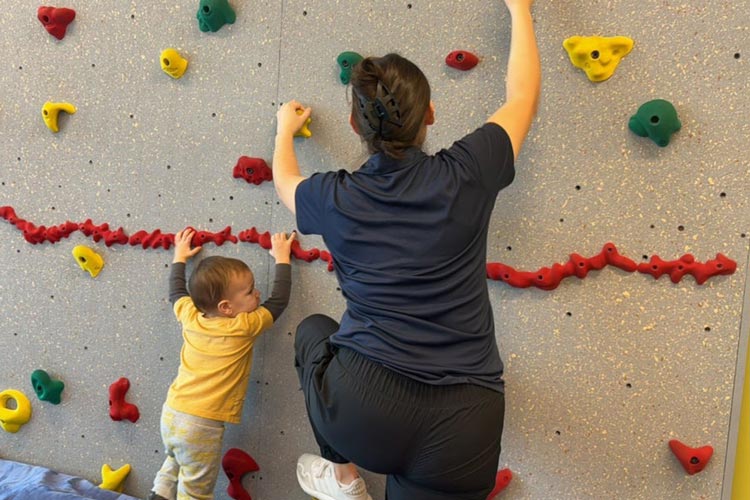
OTPs also work at private, therapy-focused companies or organizations where they provide personalized services to clients based on individual needs. They address a wide range of functional challenges, promoting independence, and providing holistic care tailored to each client’s unique needs and goals.
Home Healthcare
OTPs support clients in their homes, adapting environments for optimal function, enhanced independence and safety in daily activities.
Mental Health Facilities
OTPs work with individuals to address the psychological, emotional, and social aspects of their lives through meaningful activities and interventions.
Schools
OTPs work with students to help them participate fully in school activities, such as developing fine motor skills for writing and working with scissors, as well as supporting sensory regulation and focus. They work closely with teachers and parents to create a supportive and inclusive environment where students can achieve their academic potential and thrive socially and emotionally.
Pediatric Clinics
OTPs specialize in working with children, addressing developmental, sensory, motor and cognitive skills to enhance their ability to participate in daily activities, promote independence, and support overall development.
Community Centers
OTPs engage with community programs, promoting health and wellness by addressing environmental factors, such as access to healthy food options and safe, walkable neighborhoods, and facilitating participation in daily activities.
Military
OTPs assist service members recovering from injuries or disabilities, address mental health challenges, and optimize their functional abilities for military duties – all while serving their country.
Vocational Rehabilitation Centers
OTPs help individuals develop skills, strategies, and accommodations to enhance their employment prospects and succeed in the workplace.
Corporate Settings
OTPs contribute to workplace ergonomics and employee well-being to promote safety and productivity in the workplace.



Academia
OTPs teach other aspiring occupational therapy students and conduct research to advance the field’s knowledge and resources.
Correctional Facilities
OTPs address physical, mental, and behavioral health needs in prisons and jails through assessments, individual or group therapy sessions, skill-building activities, and reintegration planning to support successful reentry into the community upon release.
Nature Therapy
OTPs in nature therapy incorporate outdoor environments and nature-based activities to promote physical, emotional, and mental well-being. They facilitate stress reduction, sensory engagement, social interaction, and skill development in clients with diverse needs or challenges by using nature’s therapeutic elements.
Aquatic Therapy
OTPs utilize swimming pools and water-based exercises and activities to address physical, sensory, and cognitive goals, taking advantage of the buoyancy and resistance of water to promote movement, strength, coordination, relaxation, and sensory integration in individuals with various conditions or disabilities.
Equine Therapy Centers
OTPs utilize horse-related activities to address physical, emotional, cognitive, and social goals to promote functional abilities, sensory integration, confidence, and well-being. This kind of work is also commonly referred to as hippotherapy.
Outpatient Hand Therapy
OTPs specialize in evaluating and treating individuals with hand and upper extremity injuries or conditions, using a combination of therapeutic exercises, manual techniques, custom splinting, and functional activities to restore hand function, reduce pain, and to improve overall upper limb mobility, dexterity, and function.
