
Ever wondered why they call it “occupational therapy”? Does it mean we’re going to talk about jobs? Well, not exactly!
The term “occupational” in occupational therapy refers to the meaningful activities, or occupations, that people engage in as part of their daily lives. These occupations include everything from self-care tasks like dressing and eating to more complex activities like work, school, play, and social interaction.
The term “occupation” refers to any activity that occupies a person’s time and attention.
A Brief History of Occupational Therapy
The term “occupational therapy” has roots dating back to the late 18th and early 19th centuries. The founders of occupational therapy, including William Rush Dunton Jr., Eleanor Clarke Slagle, and George Barton, believed in the therapeutic value of occupations or activities in promoting health and well-being. They observed that engaging individuals in meaningful tasks and routines could positively impact their physical, mental, and emotional health.
During World War I, occupational therapy gained recognition as it was used to help wounded soldiers regain function and reintegrate into society.
Occupational Therapy: Evolving Over Time
Occupational therapy has evolved into a multifaceted profession, addressing the needs of individuals from birth to death in various settings.
It focuses on improving a person’s ability to perform activities that are meaningful and essential for daily life, regardless of the specific condition or challenge they face:
Physical challenges
From injuries, illnesses, or congenital conditions to improving mobility, fine motor skills, and independence.
Mental health issues
Think anxiety, depression, PTSD, schizophrenia, bipolar disorder, or other mental health conditions to enhance coping skills, manage stress, and improve daily participation.
Developmental delays
To improve cognitive, social, and motor skills necessary for daily participation.
Neurological conditions
Regain skills and independence for individuals who had a stroke, Parkinson’s disease, multiple sclerosis (MS), or other conditions.

Chronic conditions
Develop strategies for participating in daily tasks despite limitations due to illnesses, such as arthritis, chronic pain, and diabetes.
Sensory processing disorders
Work with people who have difficulties processing sensory information, which impacts a person’s ability to participate in daily activities.
Injury rehabilitation
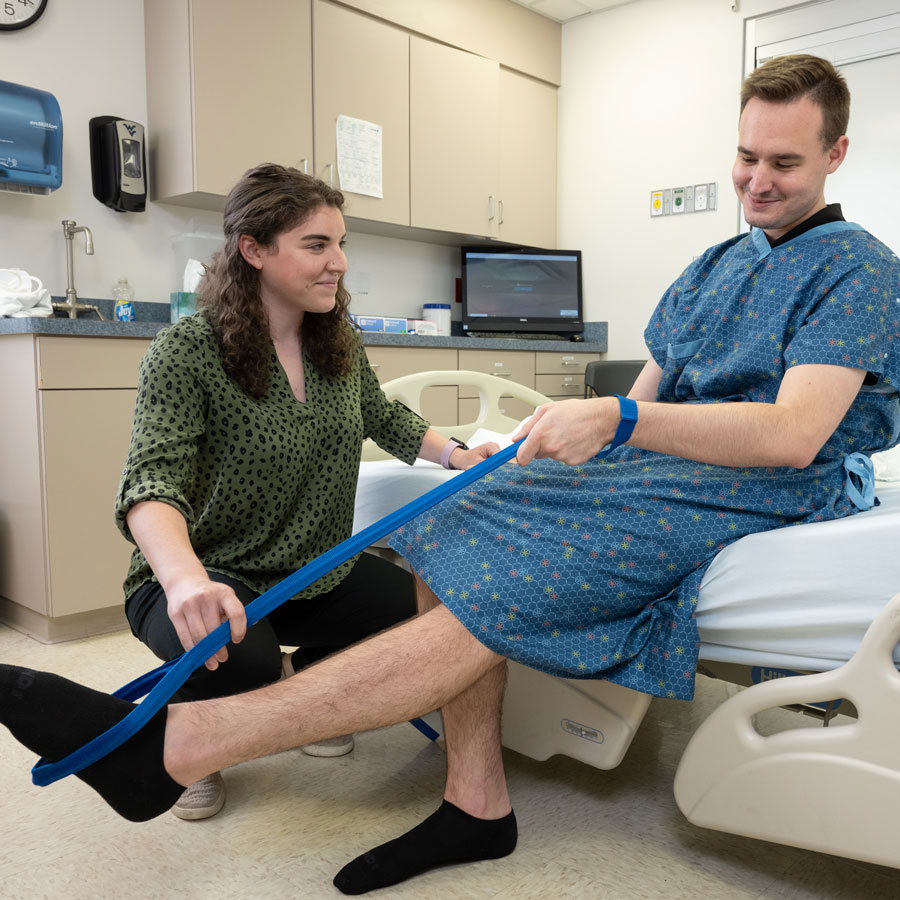
Aid in recovery from injuries, such as fractures or sprains, to regain strength, mobility, and functionality
Age-related conditions
Help older adults maintain independence by addressing issues related to aging, such as mobility limitations or cognitive changes.
Interested in a meaningful profession that helps people live their best lives?