
Occupational Therapy Specialties
One of the wonderful parts of being an occupational therapy practitioner (OTP) is the flexibility and adaptability in choosing specialties or practice settings throughout one’s career. Occupational therapists and occupational therapy assistants have the opportunity to explore different areas of expertise or work in various settings or with specific diagnoses based on their interests, passions, and evolving professional goals.

Aquatic Therapy

Driver's Rehabilitation

Hippotherapy

Intellectual and Developmental Disabilities

Low Vision

Parkinson's Disease
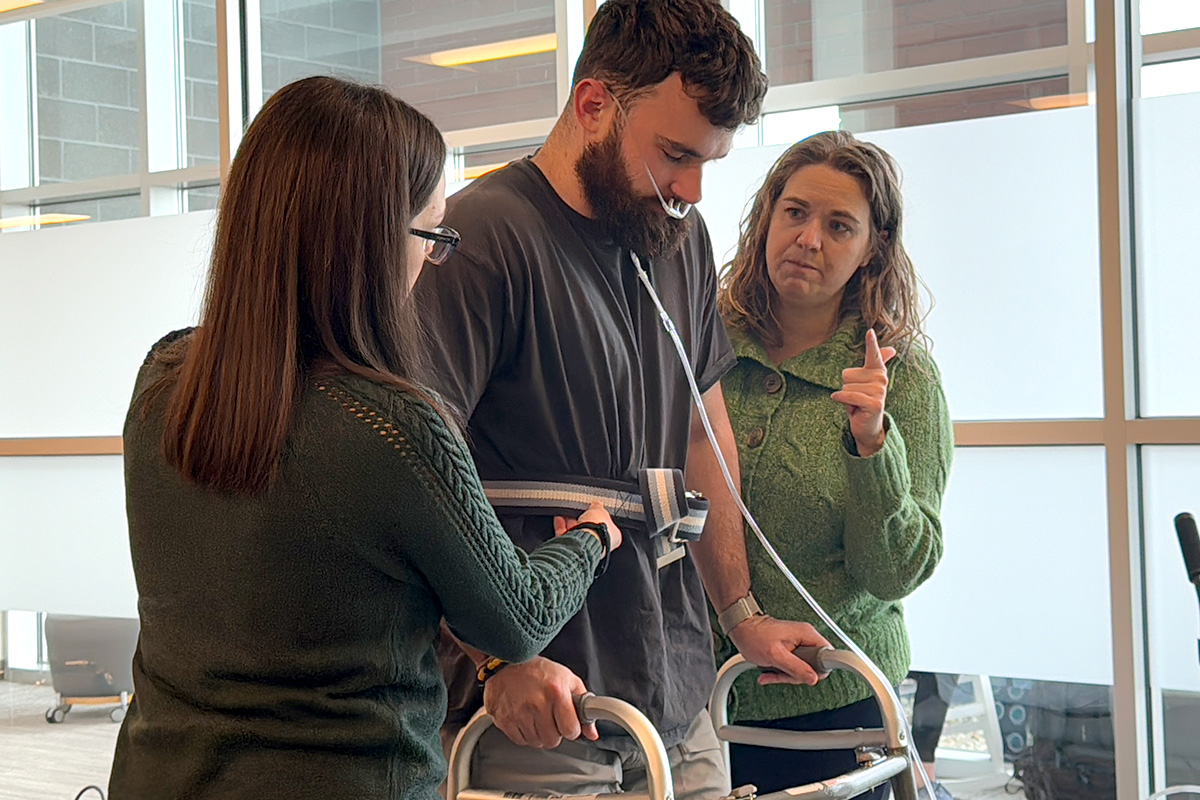
Spinal Chord Injury
The field of occupational therapy is dynamic, and practitioners may adapt their skills to address emerging needs and conditions. The list of OT specialties (below) continues to evolve as OTPs explore new areas of practice and contribute to the well-being of diverse populations.
Click or roll over the specialities colored in blue for additional information.
- Addiction Recovery
- ADHD
- Affective Disorders
- Amyotrophic Lateral Sclerosis (ALS)
- Animal-Assisted Therapy
- Aphasia
- Aquatic Therapy
- Assistive Technology
- Autism
- Burns
- Cancer
- Cardiac Rehabilitation
- Cerebral Palsy
- Chronic Conditions
- Chronic Pain
- Community Health
- Cognitive Rehabilitation
- Criminal Justice
- Dementia
- Drivers Rehabilitation
- Dystonia
- Eating Disorders
- Ergonomics
- Executive Functioning Challenges
- Fitness
- Genetic Disorders
- Geriatric
- Grief and Loss
- Hand Therapy
- Health Promotion
- Hippotherapy
- Home Modifications
- Homeless Services
- Industrial Rehabilitation
- Intellectual and Developmental Disabilities (IDD)
- Lifestyle Medicine
- Low Vision
- Lymphedema
- Maternal Health
- Mental Health
- Mindfulness & Stress Reduction
- Mitochondrial Disorders
- Multiple Sclerosis
- Nature-based Therapy
- Neurodiversity
- Neurorehabilitation
- NICU
- Orthopedics
- Orthotics & Prosthetics
- Osteogenesis Imperfecta
- Pain Management
- Parkinson’s Disease
- Pediatrics
- Pelvic Health
- Postural Orthostatic Hypotension (POTS)
- Rare Diseases
- Rheumatic Diseases
- School-Based
- Seating and Mobility
- Sexuality/Intimacy
- Sleep Disorders
- Social Determinants of Health
- Spinal Cord Injury
- Stroke
- TBI
- Trauma-Informed Care
- Tourette Syndrome
- Vestibular Rehab
Being an occupational therapy practitioner provides the freedom to shape a career that aligns with one’s passions and aspirations, fostering a sense of professional fulfillment and growth.
The ability to pivot and explore different specialities or settings contributes to the dynamic and rewarding nature of a career in occupational therapy.