How is Occupational Therapy Different from Physical Therapy?
Occupational therapy (OT) and physical therapy (PT) are often confused, but serve distinct purposes. For those of us working in OT, we often say that PT will help you to walk and OT will help you to dance!
What’s the difference?
Occupational therapy professionals (OTPs) help people do what they want and need to do every day. They help people of all ages, from babies to seniors, with disabilities, injuries, conditions, or illnesses live more independently and enjoy their lives more fully. OTPs are known for their compassionate, innovative approach to treating the ‘whole person.’ They delve into a client’s daily activities, relationships, and surroundings, highlighting the physical, emotional, and unique environmental aspects to support their patients’ success.
Physical therapy professionals (PTPs) help people avoid injuries, rehabilitate specific injuries, and regain movement through exercises, massages, and other methods. They focus on injury prevention, rehabilitation, and assisting patients in avoiding surgery or prolonged medication use. While this approach is key to enabling active lifestyles, a PT’s main objective is to address specific injuries or physical impairments.
OTPs and PTPs often work together with some patients to help enhance their overall independence and physical abilities. Some of the differences are a bit clearer by clicking through these seven examples of how each professional can help patients in different settings and aspects of life.

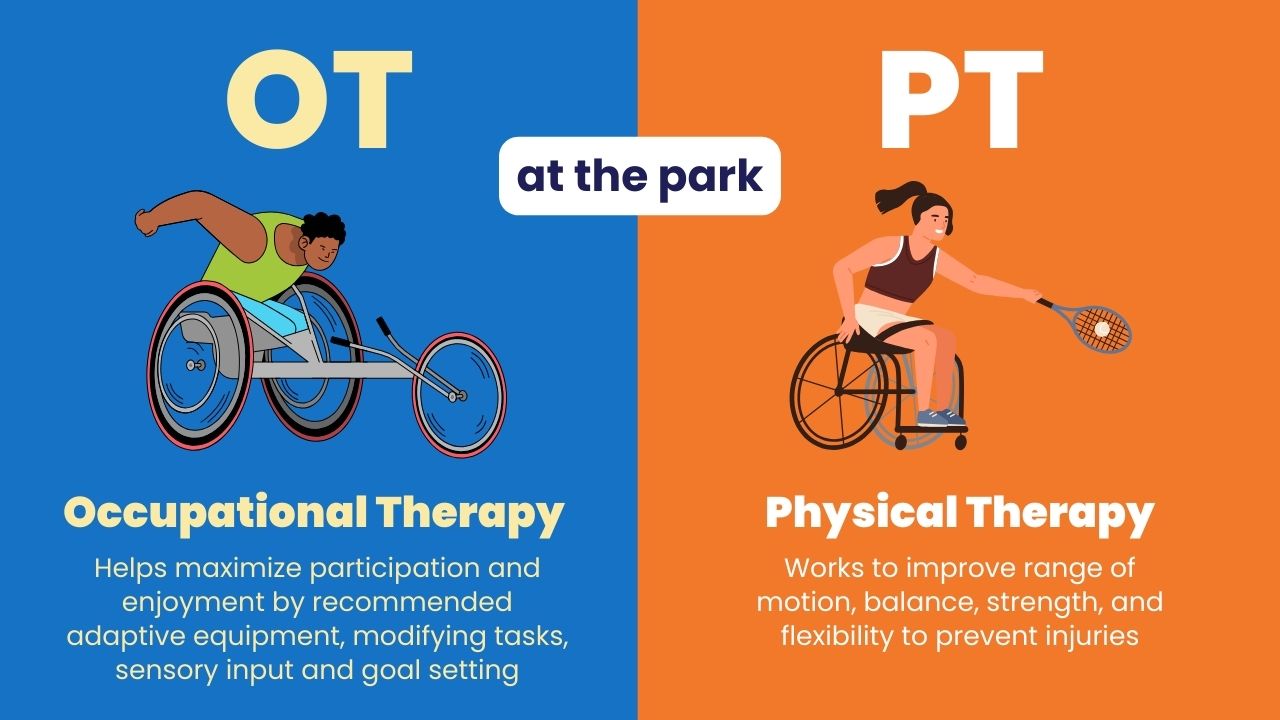

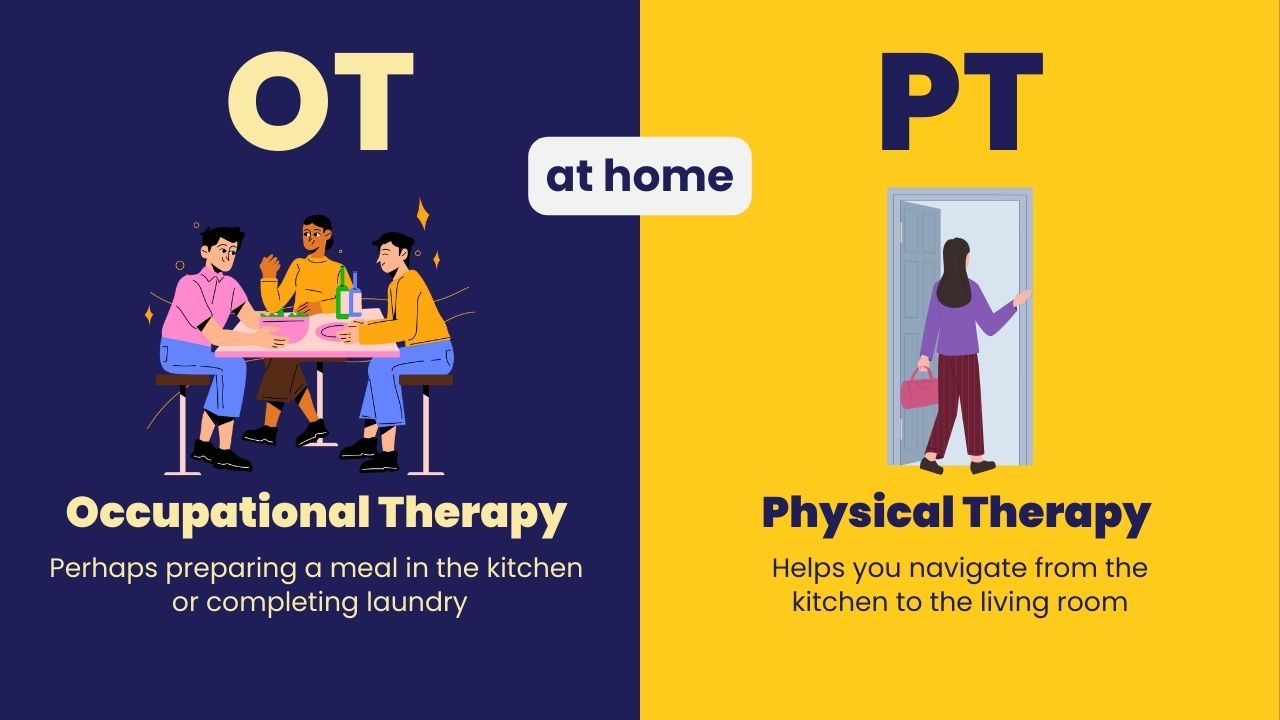
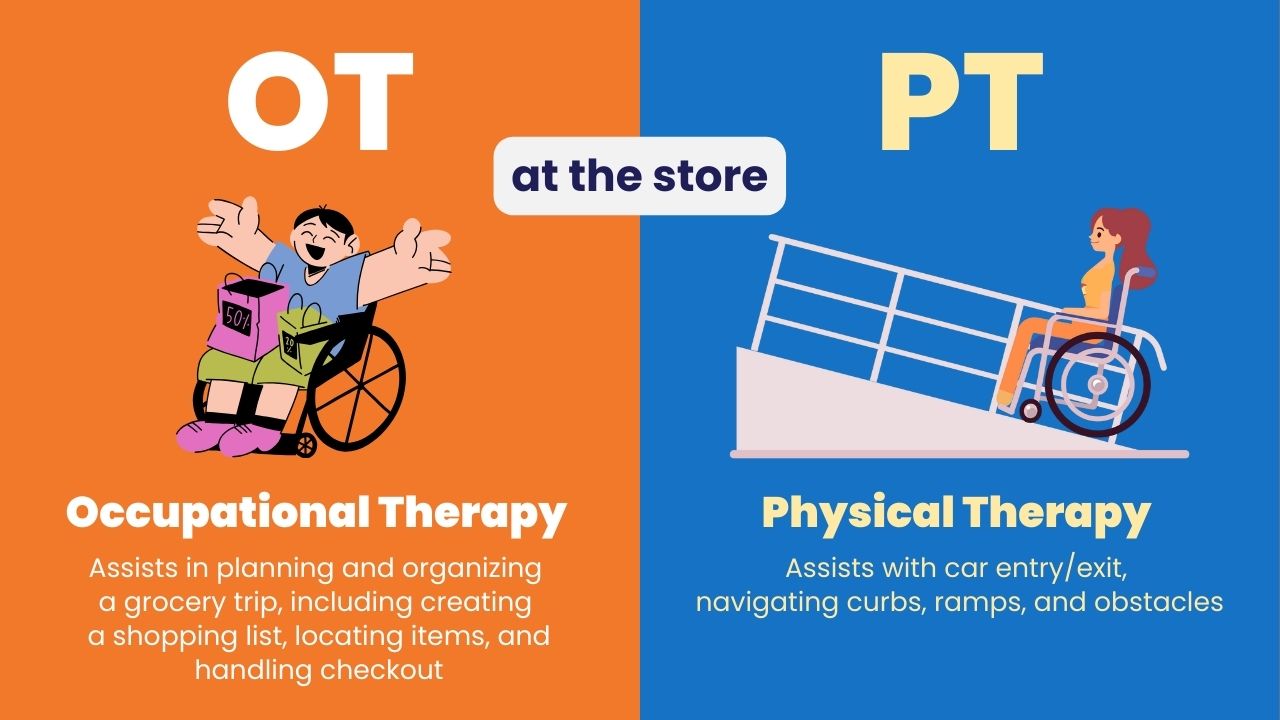
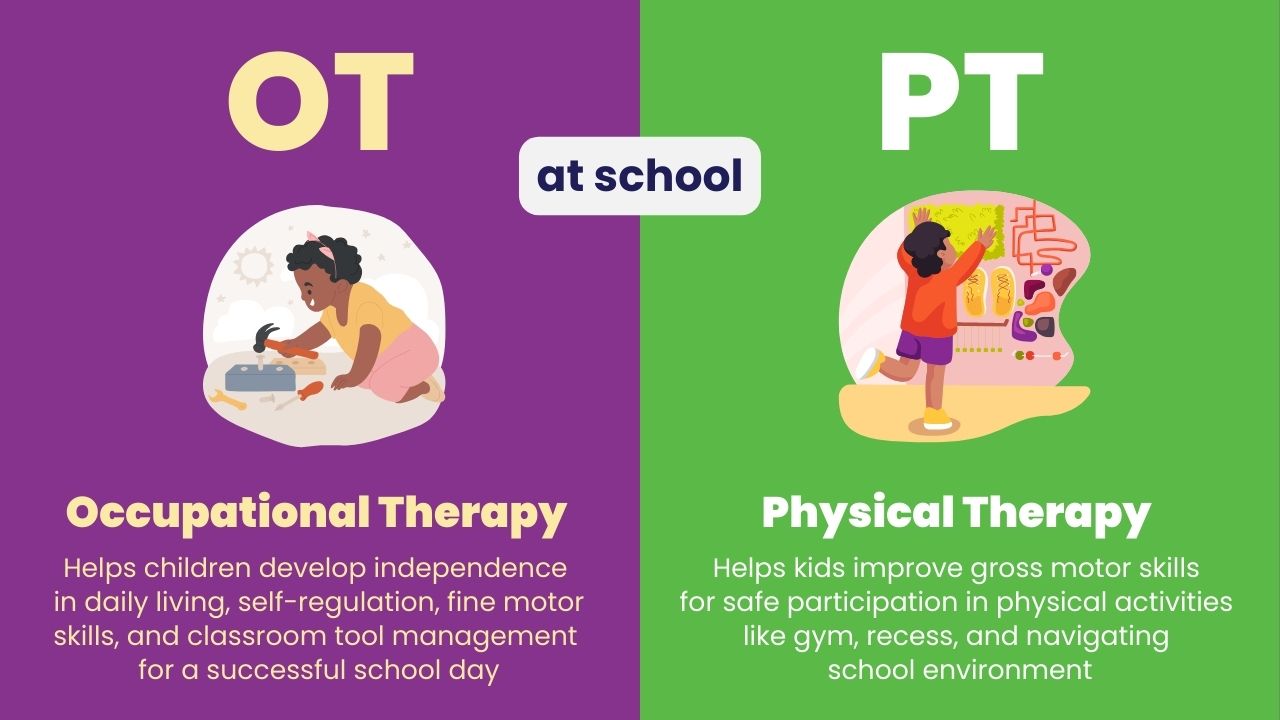
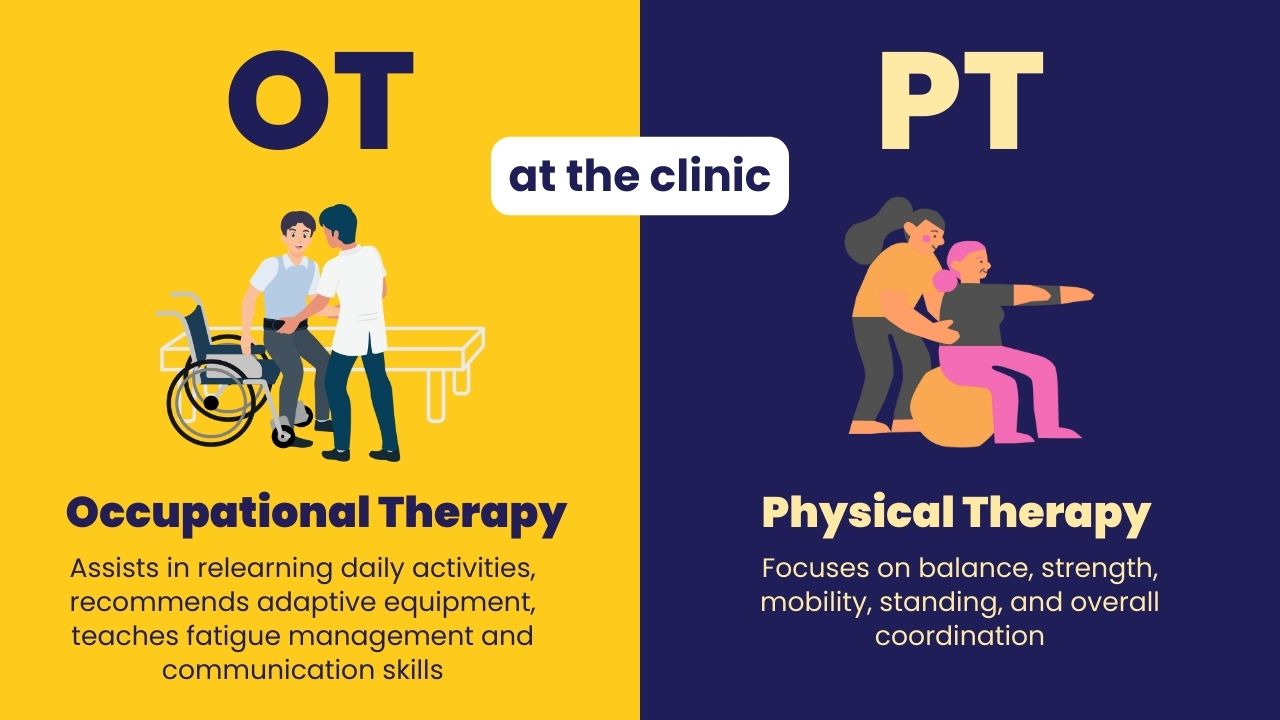
Occupational therapy is holistic because it considers the whole person, including their physical, emotional, cognitive, and social needs.
Trying to decide between a career in OT or PT?
Take the time to shadow both professions in multiple settings. Many OTP students report they initially thought they wanted to be a PTP, but once they discovered OT, their minds were instantly changed!
Occupational therapy is an awesome career because of its:
Focus on Holistic Well-being: OTPs consider physical, cognitive, emotional, and environmental impacts and how these affect a person’s ability to engage in daily activities. OTPs get to do that across the lifespan of patients in various settings.
Emphasis on Daily Activities: OTPs help people develop, maintain, or regain skills needed to live life, such as self-care, community participation, and household needs. They improve functional independence and enhance quality of life.
Versatility and Diversity of Practice Areas: OT offers many practice areas and diverse career opportunities, including pediatrics, geriatrics, mental health, rehabilitation, hand therapy, assistive technology, community-based services, and more!
Promotion of Independence and Participation: OTPs empower people to participate in meaningful activities and occupations that are important to them. They help clients overcome barriers, maximize their potential, and achieve their goals.
Creative and Client-Centered Interventions: OTPs tailor therapy to meet each person’s unique goal, needs, and interests. They develop innovative plans that address specific challenges and strengths, fostering a sense of empowerment and self-confidence.
Advocacy and Social Change: OTPs advocate for social justice, inclusion, and accessibility for people with disabilities and marginalized populations. OT promotes social participation, equity, and inclusion by addressing environmental barriers and advocating for policy changes that support rights and needs of diverse populations.
