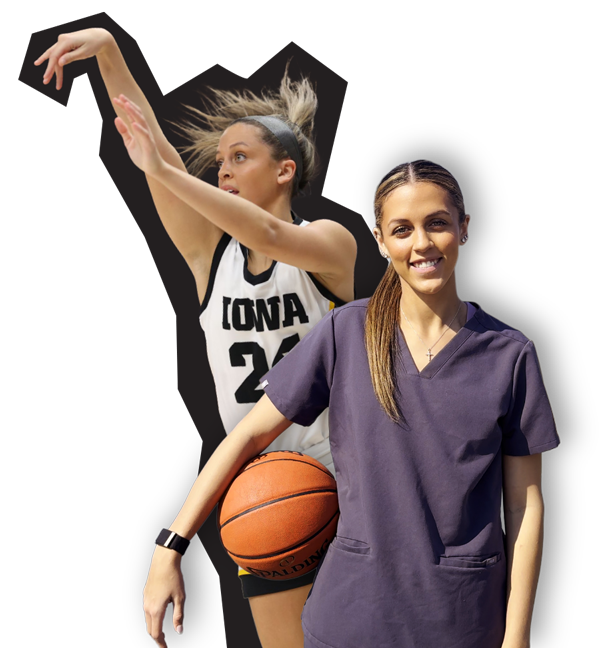
Gabbie Marshall Chose Occupational Therapy
(You Should Consider It Too!)
Occupational therapy (OT) is a type of healthcare that helps people do the things they want and need to do in their everyday lives—their occupations. OT is important because it can help people with disabilities, injuries, or illnesses to live more independently and enjoy their lives more fully.
Former University of Iowa women’s basketball star, Gabbie Marshall, chose OT as her career path because she wanted to help make a difference in people’s lives. OT is an inspiring and rewarding caregiver job that combines hands-on healthcare and creative problem-solving. Learn more about Gabbie’s story…
Gabbie Marshall Chose Occupational Therapy
(You Should Consider It Too!)


What inspired you to become an occupational therapist?
I grew up wanting to do something in the medical field and was on a pre-med track going into college and then was considering all the different options/fields out there. I thought about [physical therapy] just because of my own experience with it during my basketball career but ultimately wanted to do something that treats patients holistically and I found OT.
My little brother saw an OT for sensory challenges as a little kid, and I remember going to those with him and was very intrigued by the sensory gym and saw how much positive impact it made on him. And later, once I decided on OT, my grandmother always would tell me how great the OTs were that worked with her while she was in the hospital, not only working with her on functional mobility after her bone marrow transplant, but also with the mental health aspect of it all as well.
How did your time on the University of Iowa women’s basketball team influence your choice to be an OT?
During my time playing basketball at Iowa, I experienced my own injuries and watched some of my closest teammates navigate injuries as well. Seeing how these injuries affected them–not only physically, but also mentally and emotionally–had a lasting impact on me. When basketball, an occupation they loved and structured their daily lives around, was suddenly taken away or limited, I saw firsthand how deeply it disrupted their identity, routines, and sense of purpose. I did what I could to support them as a teammate and friend, but I also realized how powerful it would be to have the skills to help people through recovery in a more intentional, holistic way.
That experience helped me understand the importance of addressing both physical function and mental well-being, and how meaningful it is to help someone adapt, rebuild confidence, and re-engage in what matters most to them. I knew that pursuing a career in OT would allow me to better support people through injury, illness, trauma, or life transitions using a holistic approach.

What advice would you give any students considering a career in OT?
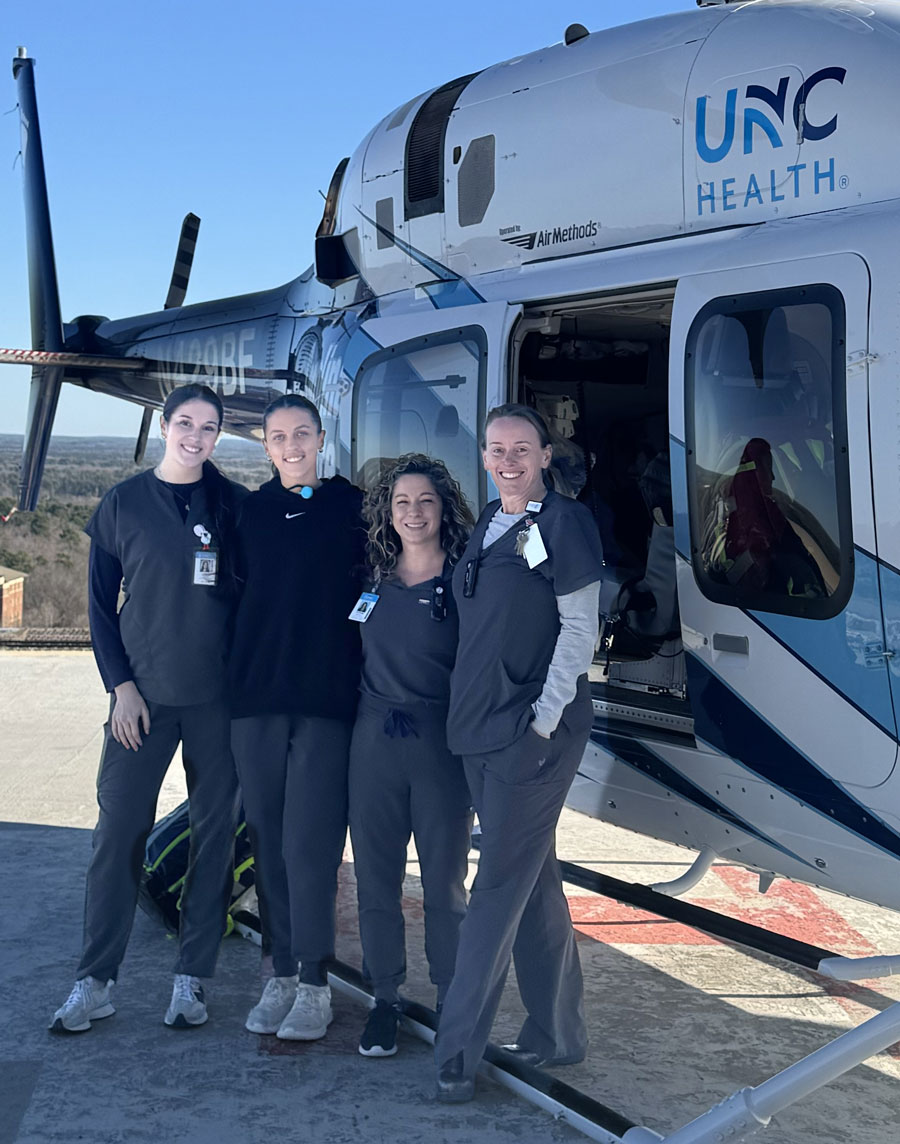
I would tell them to spend some time really understanding and learning what OT looks like in practice across different settings and honestly create an elevator pitch on what OT is because it is shocking how many people we work with do not know. I would say try to observe as many settings as you can, ask questions (no question is a bad question), and talk with other OTs about their experience and what their day-to-day looks like. Lastly, just stay open-minded. Many of my classmates (just like me) entered OT school with one setting in mind and discovered new passions along the way or other settings that interested us, so trust the process and grow with it. Most importantly, know that you will not know everything even after OT school, and that it is okay to learn from your colleagues and that you will learn to be a better clinician with experience and time. :)


Interested? Let's Stay in Touch
Sign up to receive our updates and learn more about OT careers!

Explore the World of OT


Check us out on TikTok and our other channels too for inspiring stories from patients, OTs, OTAs and more. Learn what a difference a career in OT makes!
